
Perimeter security is not one product or one decision. It is a system that starts at the property line and carries all the way through how your team verifies, controls, and documents entry. The most reliable approach follows a simple framework:
Deter. Detect. Delay. Respond.
When those four pieces work together, you reduce incidents, shorten response time, and avoid the common problem of having security equipment that looks good on paper but fails in real life.
Start With the Real Goal: Control
A strong perimeter helps you control who enters, where they go, and when they can access the site. That is true whether you are protecting a warehouse yard, a manufacturing campus, a corporate office, or a mixed-use property.
Layered defense matters because no single barrier is perfect. A fence can be climbed. A gate can be forced. A camera can record an incident without preventing it. When you design the perimeter as a coordinated system, each layer supports the next.
Deter: Make the Site Look Protected
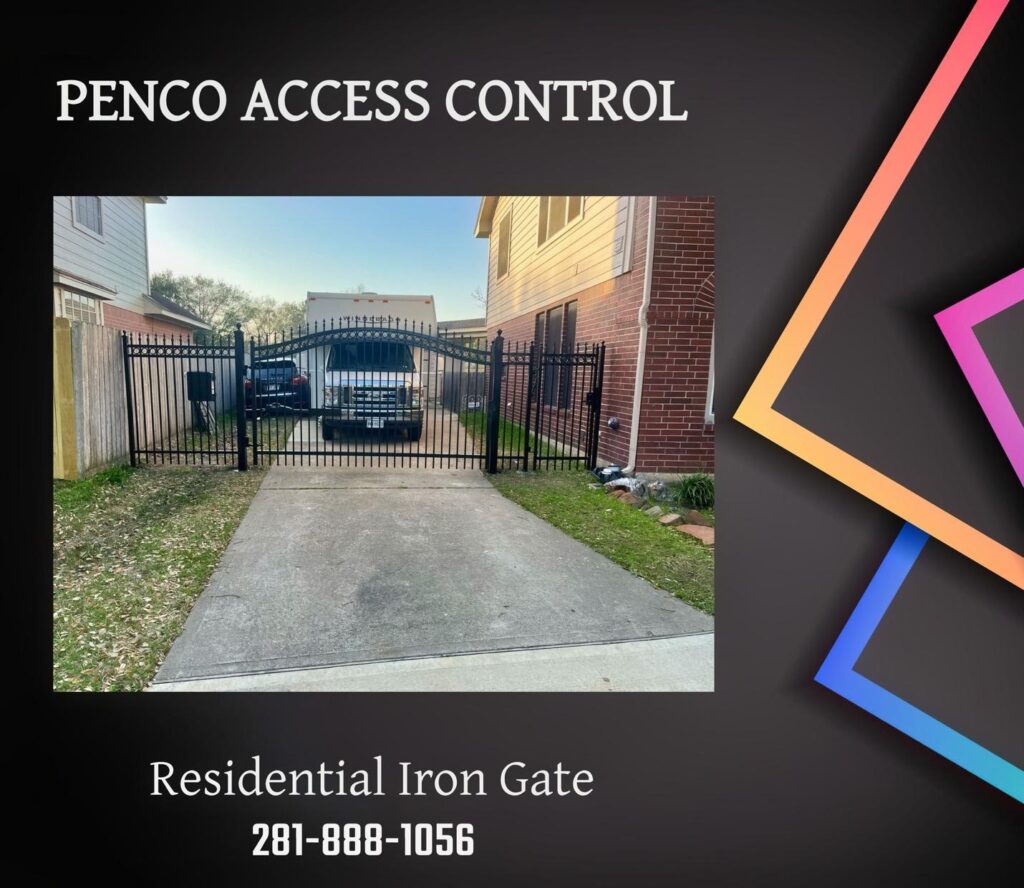
Deterrence is the visible message that your facility is not an easy target. It starts with clean, maintained boundaries and continues through how your entry points look and behave. A perimeter fence establishes a clear line that says, “This is private property.” Controlled gates reinforce that message by making it obvious that access is managed, not casual. Lighting and signage support deterrence too, but the biggest factor is consistency. A gate that is “usually open” trains people, including the wrong people, that the perimeter is negotiable.
Deterrence is not about looking aggressive. It is about looking prepared and predictable.
Detect: Know When Something Is Happening
Detection is where many facilities quietly fall short. They have cameras, but no meaningful coverage of approaches. They have an access system at a door, but not at the perimeter. They have a gate operator, but no monitoring for forced-open or held-open conditions.
Effective detection means you can answer two questions fast: what is happening, and where it is happening. Video surveillance is central here, but it works best when it is deployed with intent. Cameras should not just watch the gate itself. They should watch the approach to the gate, the lanes of travel, and the areas people use to bypass entry points. Detection also improves when gate and door status is monitored, and when visitor entry is verified through an intercom or video entry workflow instead of “just let them in.”
The point is simple. You cannot respond to what you do not reliably see.
Delay: Buy Time for Response to Matter
Delay is the layer that slows an intruder down. It turns a quick walk-in into a problem they have to work at, and that extra time is what makes your response meaningful. This is where fence quality, gate strength, and hardware choices earn their keep.
A well-designed fence makes climbing harder and more obvious. A properly secured gate is not something that can be shoved open or bypassed with minimal effort. In many facilities, delay also includes interior boundaries that protect high-value zones like loading docks, service yards, generator areas, and critical equipment. If the outer perimeter is compromised, delay layers inside the site can keep the incident from becoming a major loss.
Delay does not have to be extreme. It just has to be enough to beat the intruder’s timeline.
Respond: Turn Information Into Action
Response is what separates security theater from security. When an event occurs, there should be a clear path from detection to action. That might mean remotely locking down gates, directing staff to a safe location, contacting law enforcement, or pulling up live video to confirm what is actually happening.
Response works best when responsibilities are clear and tools are accessible. If alerts go to an inbox nobody monitors after hours, response is slow. If a video exists but takes ten minutes to find, response is slow. If there is no audit trail of who used a credential or opened a gate, follow-up becomes guesswork.
Good response is not just speed. It is confident decision-making backed by visibility and records.
How the Layers Work Together in the Real World

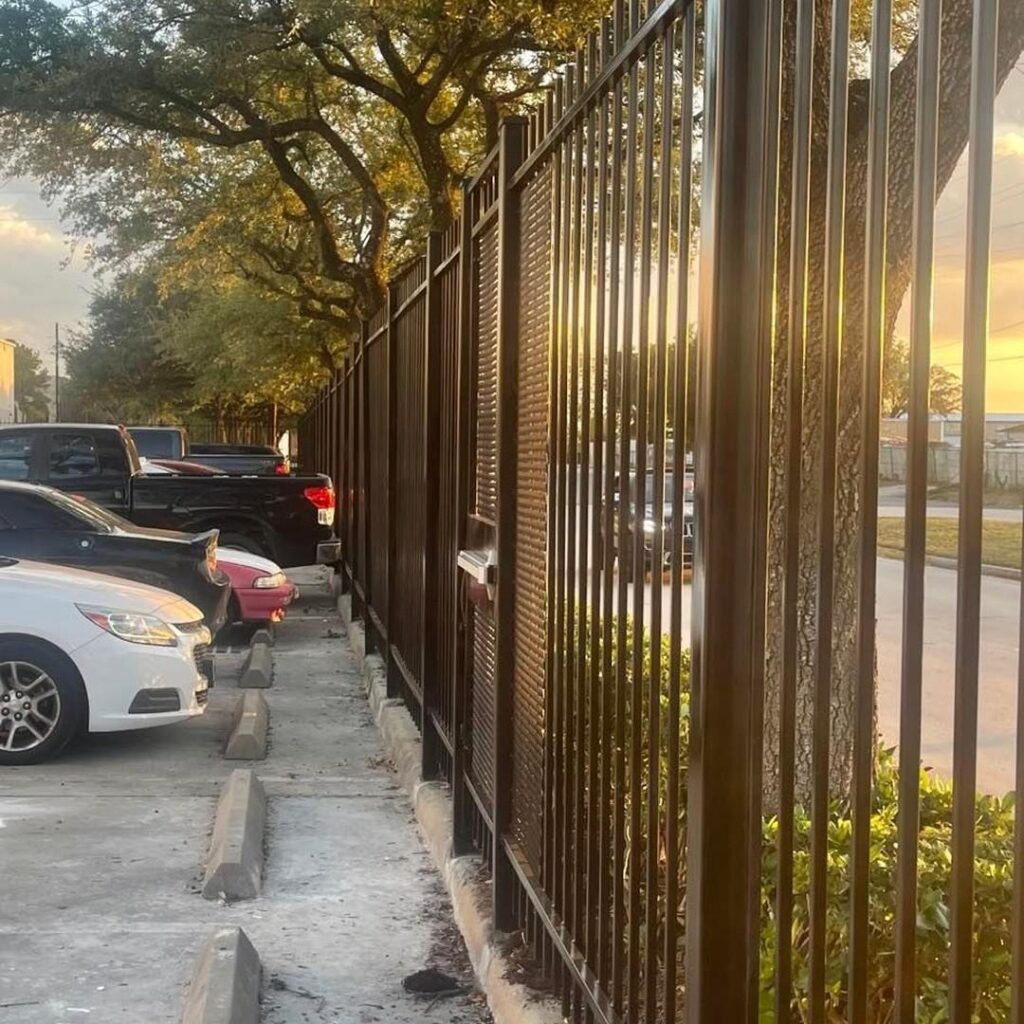
A fence establishes the boundary and pushes entry toward controlled points. Gates create those controlled points and concentrate traffic into predictable lanes, which is exactly what you want for monitoring and verification. Access control adds accountability by documenting who was allowed through, when, and under what rules. Video ties it together by supporting deterrence through visibility, enabling detection through coverage and alerting, and strengthening response through verification and evidence.
You can think of it like this. The fence and gates shape behavior, access control governs permission, and video confirms reality.
What a Practical Layered Perimeter Looks Like
Most business facilities benefit from a straightforward design: a maintained perimeter boundary, controlled vehicle and pedestrian entry, credential-based access rules that match how the site operates, and camera coverage that captures both entry points and approaches. From there, you add more capability based on risk and operations. Sites with heavy after-hours activity may need stronger alerting and escalation. Facilities with high-value yard inventory may need additional interior barriers and tighter gate workflows. Multi-site operators usually need centralized management and consistent rules across locations.
The key is not how much equipment you install. It is whether the system creates controlled access, reliable visibility, and predictable action when something goes wrong.
Common Breakdowns to Avoid
Most perimeter failures are not caused by a lack of technology. They come from workarounds and gaps between systems. A gate left open to “keep things moving” defeats deterrence and delay. Cameras placed for recording only, without useful coverage of approaches, defeat detection. Access control that is not applied at the perimeter defeats accountability. Alerts with no ownership defeat response.
Layered defense means every layer reinforces the others, and your daily operations do not undermine the perimeter you are trying to protect.
Let’s Tighten Up Your Perimeter
At Penco Access Control, we help facilities turn “a gate and a camera” into a perimeter security system that actually works day to day. That means designing the right layers for your site, tying them together so they communicate, and making sure the system supports operations instead of slowing them down.
Whether you are securing a warehouse yard, a manufacturing site, or an office campus, our team focuses on practical outcomes: controlled entry, reliable visibility, clean audit trails, and a response plan that is clear when it matters most.
If you are not sure where your biggest perimeter gaps are, we can help. Contact Penco to schedule a perimeter walkthrough and get a clear, prioritized plan for improving deterrence, detection, delay, and response without disrupting daily operations.
Key Takeaways
- Perimeter security works best as a system, not a single product.
- Use the four-part model: deter, detect, delay, respond.
- Deter with visible boundaries and controlled entry points, not “open gates.”
- Detects with coverage that sees approaches and activity, not just recordings after the fact.
- Delay so an intruder has to work for it and your response has time to matter.
- Respond with clear ownership, fast access to live video, and defined next steps.
- Fences shape where people can go, gates control where they enter, access control proves who was allowed in, and video confirms what really happened.
- The best upgrades are the ones that improve security without creating workarounds for your team.